Functional Utility
Single-story corner-lot house with useful footprint and real post-repair optionality. The lot size and layout preserve flexibility after stabilization.
STRATMARK™ STRATEGIC PROPERTY DOSSIER
Single-story La Habra value-add property with documented structural scope, deferred maintenance, and multiple possible end-user pathways including contractor-owner occupancy, strategic repositioning, or longer-term hold.
This dossier frames the property through structural condition, market positioning, and capital deployment logic rather than retail listing language.
"A structurally impaired but functionally useful single-story corner-lot asset that may offer selective value to buyers capable of resolving real burden and choosing the right post-repair path."
Single-story corner-lot house with useful footprint and real post-repair optionality. The lot size and layout preserve flexibility after stabilization.
Known structural burden narrows the buyer pool and changes pricing dynamics. That burden is precisely why this may create selective opportunity for the right buyer type.
Potential fit for contractor-owner, strategic value-add buyer, or long-term hold buyer rather than only a quick-flip investor.
Location
La Habra, CA
Property Type
Single-Family
Beds / Baths
3 Bed / 2 Bath
Living Area
1,478 SF
Lot Size
7,920 SF
Year Built
1954
Lot Type
Corner Lot
Garage
2-Car Attached
Current List Price
$699,900
Market Position
Major fixer / structural burden / as-is sale profile
Strategic Read
Pricing appears within as-is valuation band, near upper edge
Interpretation: This is an on-market structurally burdened asset, not a wholesale transaction, and should be evaluated through execution risk rather than surface-level discount language.
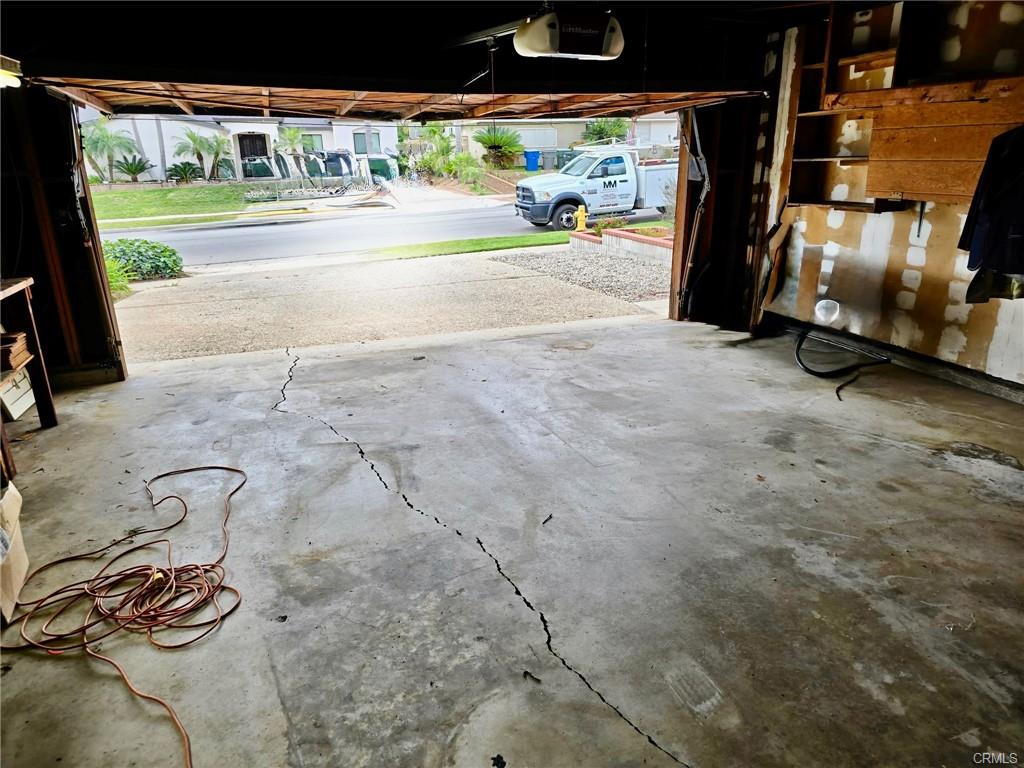
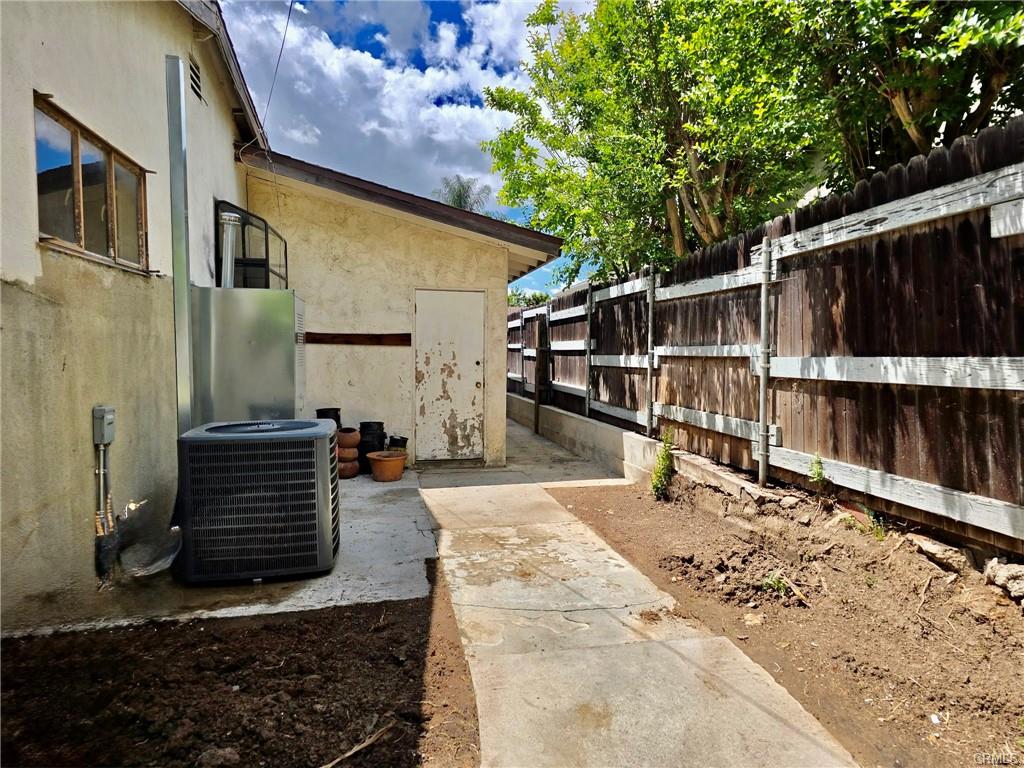
The property is a single-story detached 3-bedroom, 2-bath home built in 1954 with approximately 1,478 square feet of living area on a 7,920 square foot corner lot in La Habra. It includes an attached 2-car garage, driveway parking, and land utility that supports flexible use such as additional parking. The home sits in an established neighborhood north of Whittier Blvd.
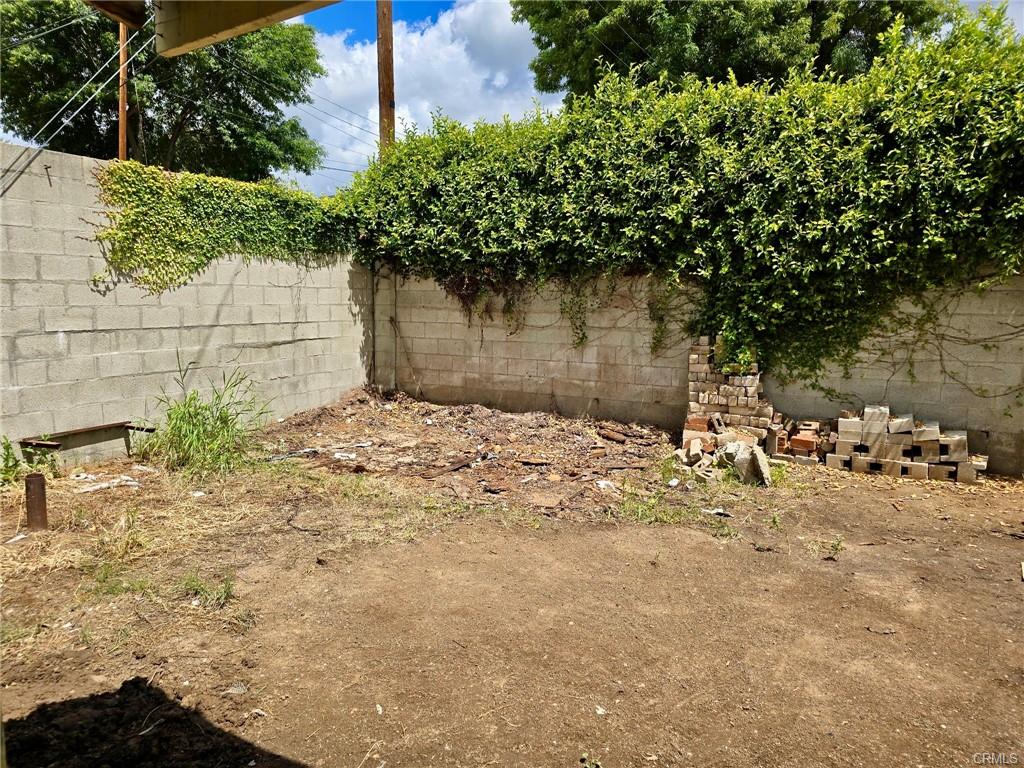
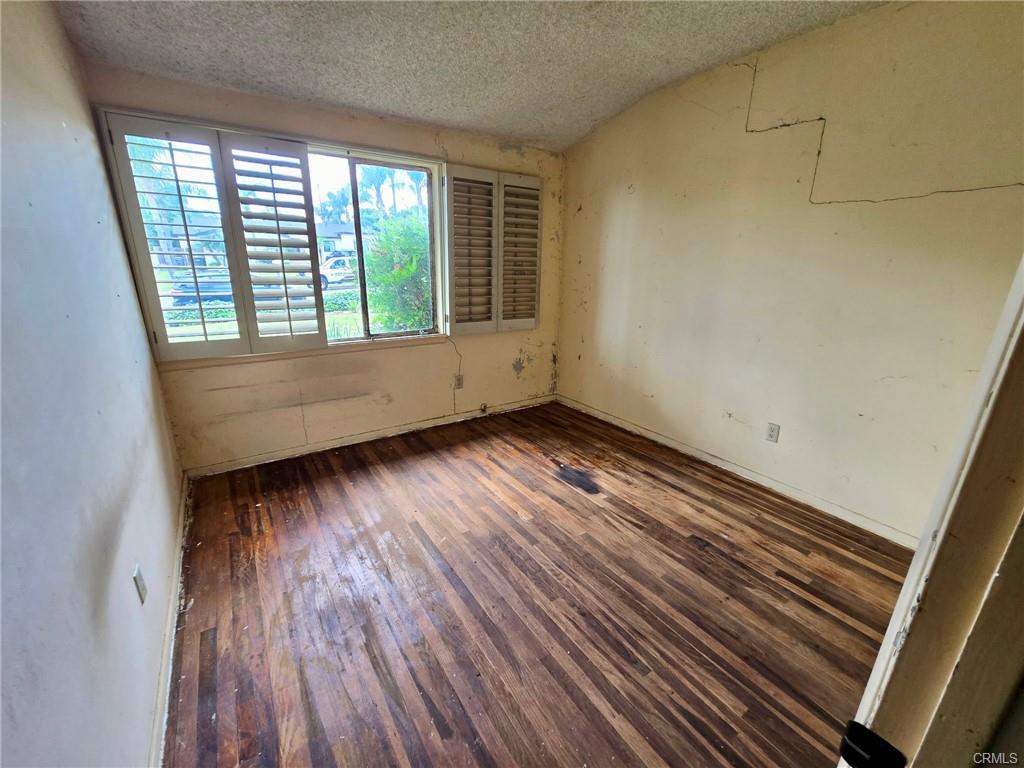
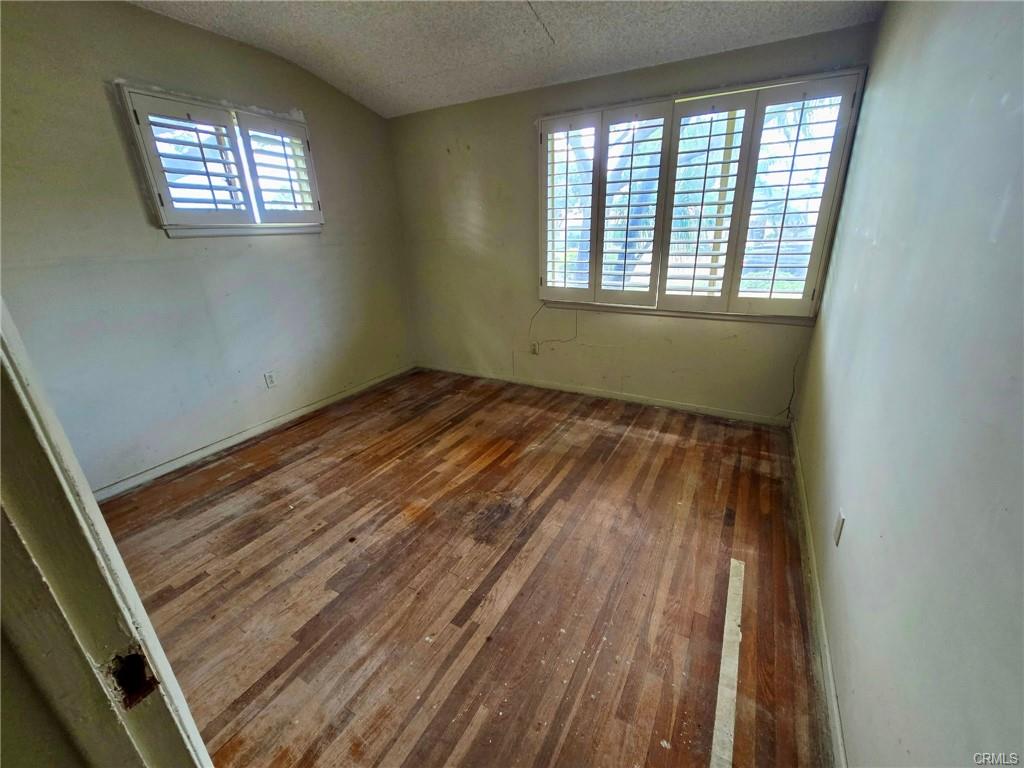
The property is being marketed as a major fixer with years of deferred maintenance and known foundation issues. It should be understood as a true value-add asset rather than a light cosmetic project. Structural resolution is central to the underwriting thesis.
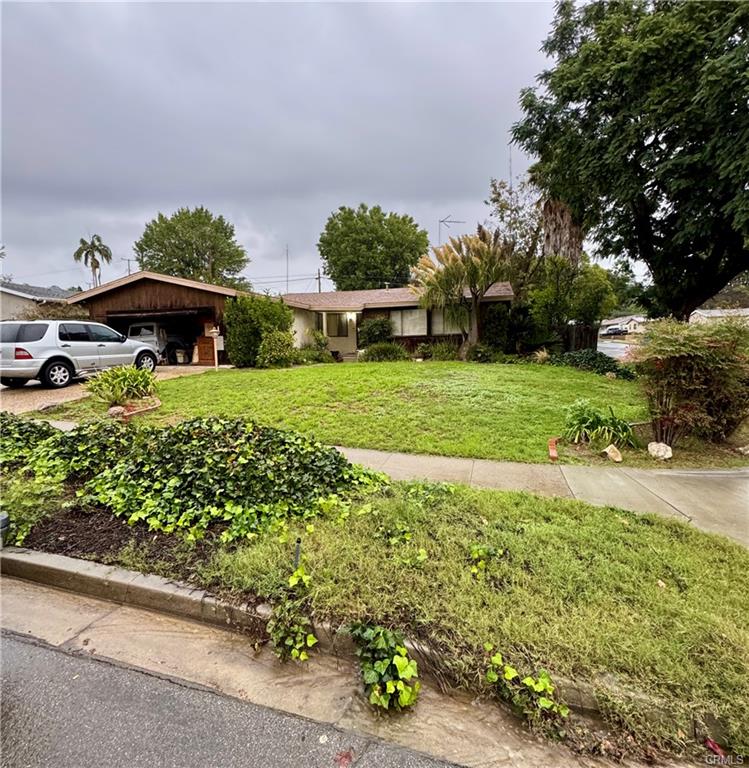
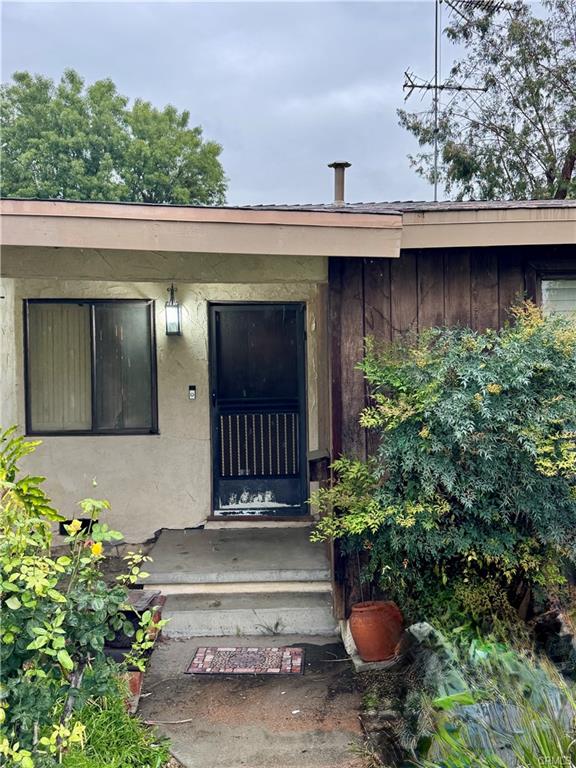
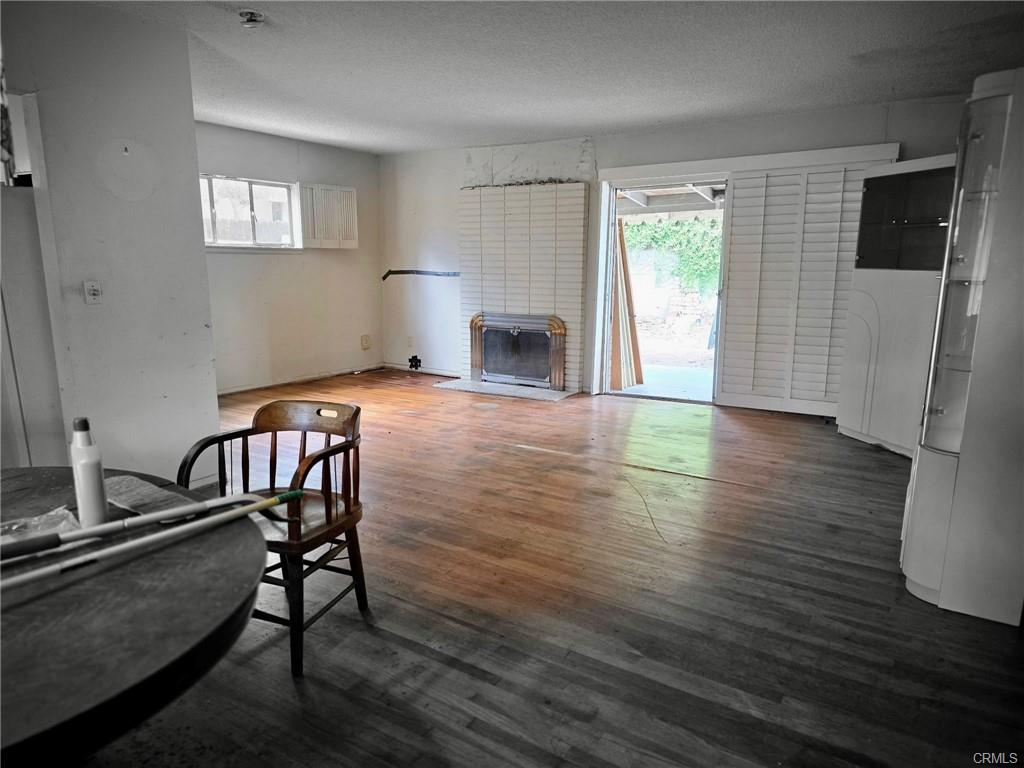
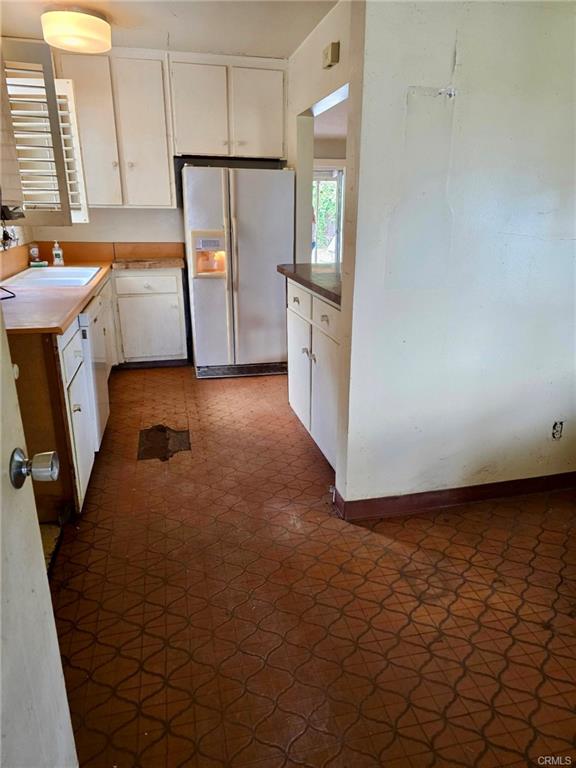
_7fb80fb4.jpeg)
Estimated Range
$650,000 – $700,000
Most Probable Value
$675,000
Reflects structural stigma, deferred maintenance, repair uncertainty, and narrower buyer pool.
Clean Retail Remodel Range
$965,000 – $990,000
Most Probable ARV
$975,000
Strong Finish Upside
~$1,000,000 – $1,010,000
Assumes successful stabilization and clean market-ready renovation.
The spread in this property exists between a structurally burdened as-is position and a stabilized, renovated retail outcome. Final economics depend heavily on repair execution, finish quality, and whether the buyer's objective is resale, occupancy, or long-term hold.
As-Is Value Range
$650K – $700K
Repair Burden (Physical)
$205K – $287K
Total Underwriting Burden
$265K – $372K
After-Repair Value Range
$965K – $990K
Upside Ceiling
$1000K – $1010K
| Category | Estimated Range | Commentary |
|---|---|---|
| Foundation Stabilization | $92,700.81 | Documented contract including piers, engineering, permits, concrete work, site work, and utilities protection |
| Post-Foundation Restoration | $18,000 – $35,000 | Drywall crack repair, trim reset, door/window adjustment, concrete tie-ins, touch-up work, and finish reconciliation |
| Interior Renovation | $70,000 – $109,000 | Kitchen, two baths, flooring, paint, lighting, hardware, and finish-layer improvement |
| Exterior / Site / Deferred Maintenance | $10,000 – $20,000 | Fence work, landscape cleanup, curb appeal, minor exterior carpentry or paint |
| Unknown Systems Contingency | $15,000 – $30,000 | Allowance for roof, HVAC, plumbing, electrical, or other hidden conditions |
| Soft Costs / Carry / Risk Buffer | $60,000 – $85,000 | Holding costs, overrun protection, execution risk, resale friction, and underwriting margin |
Documented Structural Scope
$92,700
Total Physical Work Framework
$205,000 – $287,000
Total Underwriting Burden (with carry/risk)
$265,000 – $372,000
1221 N Orange
$875,000
581 Kern
$878,000
630 La Presa
$925,000
1620 W El Portal
$950,000
600 N Colfax
$965,000
761 S Rosecrest
$939,000
624 N Walnut
$985,000
931 Kirby Dr
$1,000,000
340 Terry Way
$1,050,000
1041 Derry
$875,000
Active under contract
401 Keene
$910,000
Pending
1401 Sierra Vista
$999,000
Active
The subject should not be treated as directly competitive with ordinary dated-but-livable retail homes because it carries disclosed structural burden and broader deferred maintenance. Once stabilized and renovated, however, it appears capable of repositioning into the upper-$900,000 band depending on execution quality and finish level.
A path for a buyer who values single-story utility, lot size, and location enough to resolve the structural and cosmetic work over time, with livability taking priority over short-term resale spread.
A path for a buyer underwriting the asset as a risk-adjusted repositioning opportunity, where value is created through structural stabilization, renovation, and re-entry into the retail market.
A path for a buyer who sees value in acquiring below stabilized retail equivalency, curing major burdens, and holding the asset as a longer-duration residential property rather than forcing a near-term exit.
"The value thesis depends on solving real burden, not simply upgrading dated finishes."
Foundation stabilization may not fully cure cosmetic symptoms or all structural consequences.
Additional structural or system issues may emerge after work begins.
Deferred maintenance may extend beyond currently visible conditions.
Resale outcome depends heavily on finish quality and execution discipline.
This is not a cosmetic-only project and should not be underwritten as such.
"The value thesis depends on solving real burden, not simply upgrading dated finishes."
The property's weakness is obvious and structural, which is precisely why it may create selective opportunity for the right buyer type. The lot, layout, and single-story utility help preserve optionality after stabilization.
This should not be framed as a discounted fixer, but as a structurally burdened asset with multiple possible post-repair pathways. The property may be less compelling for a pure quick-exit thesis than for a disciplined buyer who can execute intelligently or hold patiently after repair.
In a market where many value-add opportunities have already been absorbed or repriced, this property represents a more genuine structural repositioning challenge—and therefore a more genuine opportunity for a buyer with the right skill set, capital structure, and patience.